
Technology
Your tiny, election news-free zone today
By Marcus Chen
Advertisement · Why this ad?
Marcus manages the day-to-day editorial workflow across all brands, coordinating coverage assignments and ensuring editorial standards are met. He previously served as city editor at the Pioneer Press and holds a degree in Political Science from Carleton College.
More from Marcus →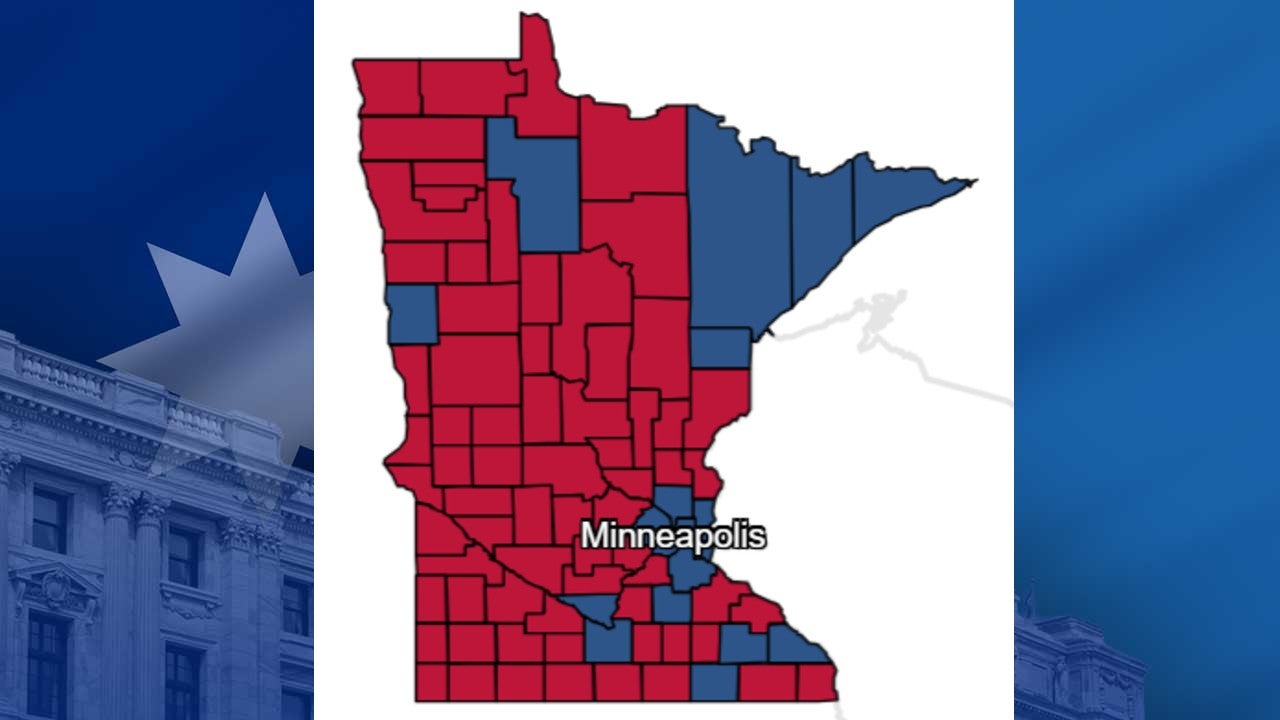
As the sun dipped below the horizon on election night, a palpable sense of anticipation filled the air in Minneapolis. Residents gathered in homes and community centers, eyes glued to screens, eager to see how their neighbors voted in the midterms. This year, more than 2.8 million Minnesotans cast their ballots, marking a record turnout for a non-presidential election year, according to the Minnesota Secretary of State's Office.
The midterm elections on November 8, 2022, were historic for several reasons. Not only did voter participation reach unprecedented levels, but the results also hinted at significant shifts in political power across Minnesota and Wisconsin. With over 50% of eligible voters participating, the election underscored the growing engagement of citizens in the democratic process.
In Minnesota, the Democratic-Farmer-Labor (DFL) Party made notable gains, retaining control of the state legislature and winning key statewide offices. This shift could lead to sweeping changes in policy, particularly in areas like education, healthcare, and public safety. In Wisconsin, the results mirrored this trend, with Democrats also making inroads in traditionally Republican strongholds.
Election night coverage highlighted the importance of local issues, as candidates focused on community needs rather than national narratives. Voter sentiment reflected a desire for change, particularly among younger demographics who turned out in record numbers.
In Minneapolis, the atmosphere was electric as results poured in. Community leaders and residents expressed a mix of excitement and concern about the implications of the election outcomes. Local activist and mother of three, Sarah Johnson, stated, "This election was about our future. We need leaders who understand the challenges we face every day. I'm hopeful for the changes ahead."
Johnson's sentiments were echoed by many at community gatherings throughout the city. As people shared their thoughts, it became clear that issues like affordable housing, education funding, and public safety were at the forefront of voters' minds. The election results indicated a shift toward prioritizing these local concerns.
Local businesses also felt the impact of the election, as many owners expressed relief at the prospects of continued support for small enterprises. Mark Thompson, owner of a popular coffee shop in the heart of Minneapolis, remarked, "The new policies could really help us thrive. We need a government that listens to us and supports our community."
The high voter turnout in Minnesota and Wisconsin reflects a growing trend of civic engagement that is crucial for the health of democracy. Organizations like the Minneapolis Parks and Recreation and the Minneapolis Chamber of Commerce have been working tirelessly to promote voter registration and educate citizens about the importance of their votes. Their efforts, combined with grassroots movements, have been instrumental in mobilizing younger voters, many of whom are first-time voters.
Community forums and workshops leading up to the election served as platforms for residents to voice their concerns and discuss the issues that matter most to them. These gatherings not only informed voters but also fostered a sense of community and collective responsibility. Local leaders recognized that the path to effective governance starts with understanding and addressing the specific needs of the community.
Looking ahead, the implications of the midterm elections are profound. With the DFL maintaining control, residents can expect a push for progressive policies aimed at addressing pressing issues. This includes potential reforms in education funding, healthcare accessibility, and climate change initiatives.
Moreover, the results may signal a shift in how both Minnesota and Wisconsin approach political engagement. The record turnout illustrates a growing commitment among voters to participate actively in shaping their communities. As we move forward, it will be essential for citizens to stay engaged and hold elected officials accountable.
The midterm elections have set the stage for significant changes, and as communities come together to discuss the outcomes, the hope is that these changes will reflect the values and needs of residents. Local leaders are already planning forums and discussions to ensure that citizens' voices continue to be heard in the coming legislative sessions.
One of the most exciting aspects of this election cycle was the involvement of young voters. High school and college students organized voter registration drives and informational sessions, ensuring that their peers understood the importance of their participation. This grassroots activism not only educated young people about the electoral process but also instilled a sense of ownership over their future.
As local schools and universities continue to emphasize civic education, the hope is that this trend will persist in future elections. Engaging young voters is crucial, as they represent the future of the electorate and have the power to influence policies that will affect their lives for decades to come.
The election's outcome will resonate deeply within various neighborhoods across Minneapolis and beyond. For instance, in the North Side, where issues like crime and economic opportunity are paramount, the election results may lead to new initiatives aimed at improving safety and fostering economic development. Local leaders, such as City Council member Jeremiah Ellison, have already voiced their commitment to addressing these challenges head-on.
In South Minneapolis, the results may bolster efforts surrounding affordable housing initiatives, as community organizations push for more inclusive policies. Groups like the Minnesota Department of Employment and Economic Development are expected to play a critical role in facilitating these changes, working alongside local advocates to ensure that housing remains accessible for all residents.
As the community digests the election results, many residents are sharing personal stories that underscore the importance of local governance. For example, Maria Lopez, a single mother from the Phillips neighborhood, expressed her relief at the election outcome, stating, "I believe that the new leadership will prioritize our needs, especially in education and job training programs. My children deserve opportunities that I didn’t have growing up."
These individual stories highlight the broader implications of the election. Many residents are hopeful that their voices will be amplified in local government, leading to policies that directly impact their lives. The human element of these elections cannot be overstated; they are about real people with real needs.
As the dust settles from the midterm elections, the focus now shifts to the future. With record turnout and a clear message from voters, Minnesota and Wisconsin are poised for transformative changes. The engagement of citizens in this process is crucial, as it reflects a desire for a government that prioritizes the needs of its people. As families and communities come together to navigate this new political landscape, the hope is that the values of commitment, integrity, and service will guide the way forward.
By Marcus Chen

By Katherine Langford

By Katherine Langford
By Katherine Langford