
Schools
Minnesota law ‘blind spots’ prevent charges in school sexual misconduct case, Anoka County Attorney says
By Katherine Langford
Advertisement · Why this ad?
Katherine oversees editorial operations across all six brands. Before joining The Meridan Group, she spent 14 years at the Minneapolis Star Tribune, where she led the metro desk through its digital transformation. She holds a Master's in Journalism from Northwestern's Medill School.
More from Katherine →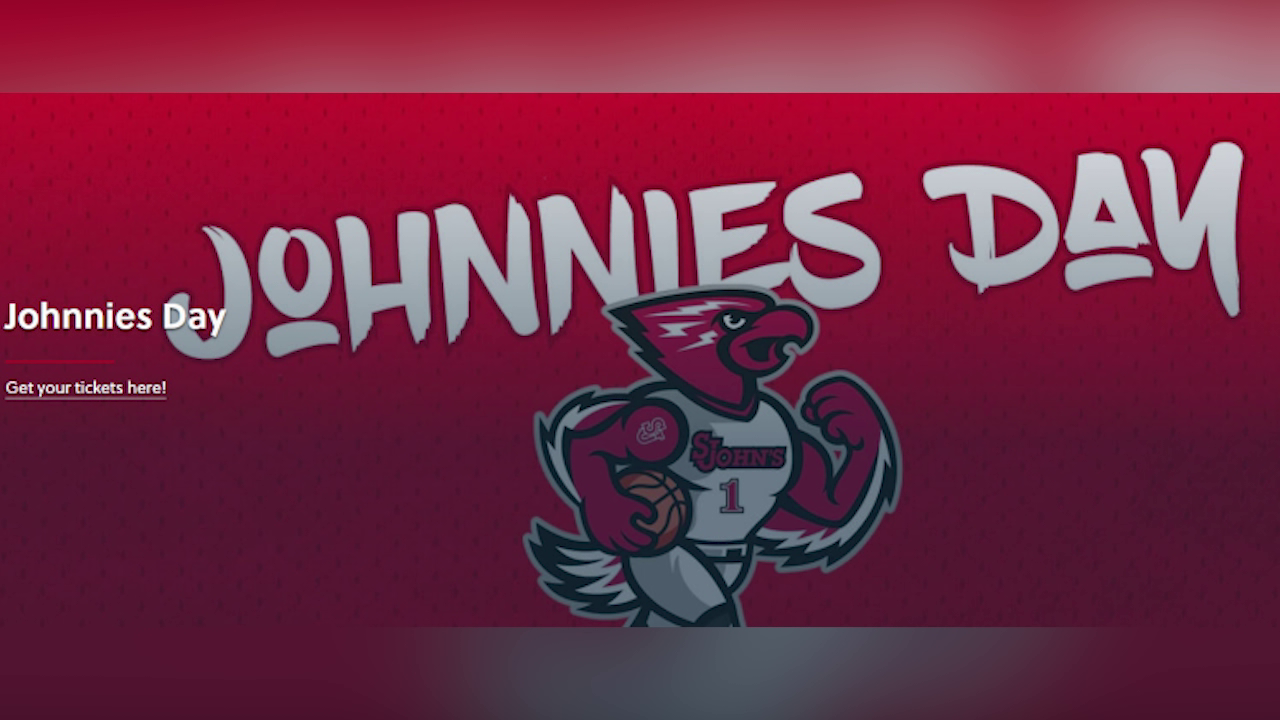
On a crisp autumn morning in Collegeville, Minnesota, a group of students gather outside the historic Saint John’s University campus, their faces lit with a mixture of pride and concern. For over a century, the name "Johnnies" has symbolized their community’s heritage, a badge of identity rooted in tradition and faith. Now, that identity is under threat, as a legal battle unfolds that could reshape the way they see themselves and their place in the wider academic landscape.
Saint John’s University in Collegeville has initiated a lawsuit against Saint John’s University in New York, claiming infringement over the use of the name “Johnnies,” “Johnnie,” and “Johnny.” According to court documents filed in late 2023, the Minnesota institution, which was founded in 1857 and sits just outside St. Cloud, has used and trademarked the “Johnnies” name since at least 1900, asserting its longstanding association with the school’s identity and branding.
The dispute centers on the competing use of the “Johnnies” moniker in online and public-facing materials, including athletic branding, websites, and promotional campaigns. Saint John’s in New York, formerly known as the Redmen and later the Red Storm, adopted the “Johnny Thunderbird” mascot in 2009, expanding its use of the “Johnny” nickname. The New York school argues that its historical use of “Johnnies” dates back to the early 20th century, citing a 2009 athletics page referencing its mascot history.
Saint John’s University in Minnesota emphasizes that it has cultivated its “Johnnies” brand for over a century, securing a federal trademark in 2004. The university’s legal team contends that the overlapping use of “Johnnies” could cause confusion among prospective students, alumni, and the broader community, especially given the significant demographic overlap and recruitment efforts that reach across multiple states and regions.
In court filings, SJU highlights that it markets to students from diverse states including New Jersey, Maryland, and Florida, noting that the “Johnnies” name is integral to its identity and reputation. The lawsuit seeks damages for alleged infringement and an injunction to prevent SJNY from further using the “Johnnies” nickname, asserting that the New York school’s recent expansion of the term dilutes its brand and risks consumer confusion.
The dispute resonates deeply within the communities connected to these institutions. For many alumni and current students, “Johnnies” is more than a nickname; it embodies a shared faith, a commitment to service, and a tradition of excellence rooted in the Catholic faith that both schools uphold. The Minnesota school, in particular, emphasizes its role in fostering a community built on strong marriages, family values, and authentic faith—values that are often symbolized by longstanding traditions like their “Johnnies” identity.
Local residents and community leaders express concern that the legal conflict could undermine these community bonds, especially as the schools’ reputations and outreach efforts increasingly intersect. For families considering higher education options, clarity and respect for tradition are paramount. The case also raises questions about the broader issue of trademark rights versus historical use, a debate that touches on the core of American higher education’s identity and values.
Legal experts predict that the case could take months, if not years, to resolve fully. Both schools are expected to present detailed evidence about their use of the “Johnnies” name and its significance. The outcome will likely hinge on whether the Minnesota institution can prove its exclusive rights to the name and whether the New York school’s use is deemed likely to cause confusion or dilute the brand.
In the meantime, students and alumni remain hopeful that a resolution can be reached that respects the rich history of both institutions. For Saint John’s University in Minnesota, the case underscores the importance of protecting its heritage and the values it represents—values rooted in faith, family, and community. As the legal process unfolds, the broader community watches closely, aware that the outcome could influence how other institutions safeguard their identities in an increasingly interconnected world.
Looking ahead, both schools have expressed a willingness to negotiate, recognizing the importance of preserving their respective legacies. The case serves as a reminder that tradition and innovation must often find a delicate balance, especially when it comes to symbols that define community and faith. For now, the “Johnnies” name remains a symbol of pride and perseverance, emblematic of a shared history that continues to inspire.
Saint John’s University in Minnesota is more than just an educational institution; it’s a cornerstone of the local community and a symbol of faith for many families in the region. Nestled amidst the rural landscape of central Minnesota, the campus has become a hub for spiritual growth, cultural events, and community service. The “Johnnies” nickname is woven into the fabric of local life, seen in annual celebrations, alumni gatherings, and local traditions that have persisted for generations.
Many alumni of Saint John’s in Minnesota have gone on to serve as community leaders, teachers, clergy, and public servants. Their shared identity as “Johnnies” reinforces a sense of belonging and continuity that extends beyond the campus gates. For these individuals, the name represents more than a brand; it embodies a shared history of faith, resilience, and service that has helped shape the region’s identity.
Community members, including local clergy and civic leaders, have voiced their support for the Minnesota school’s efforts to protect its heritage. They worry that losing the “Johnnies” name to a distant institution could diminish the community’s collective identity and impact local traditions that rely on the school’s presence and influence.
For current students at Saint John’s in Minnesota, the legal dispute underscores the importance of understanding and appreciating their institution’s history. Many students participate in traditions such as the annual “Johnnies Day,” a celebration of community, faith, and service. These traditions foster a sense of pride and continuity that students hope will endure regardless of legal outcomes.
Looking ahead, prospective students and their families are paying close attention. The case raises broader questions about how institutions protect their legacies in an era where branding and intellectual property are more critical than ever. The outcome could influence how other small colleges and universities approach their own trademarks and community identities.
Moreover, the dispute highlights the importance of dialogue and mutual understanding. Both schools have expressed openness to negotiation, recognizing that preserving the “Johnnies” name is vital not only for legal reasons but also for maintaining the integrity of their shared histories and community bonds.
This case exemplifies a growing challenge faced by many institutions: balancing the protection of longstanding traditions with the realities of modern branding. As universities increasingly compete for students and funding, the importance of unique identities and trademarks becomes more pronounced. However, when those identities are rooted in shared cultural or community symbols, conflicts like this can arise.
Legal experts suggest that the outcome of this case could set a precedent for how similar disputes are handled in the future. It underscores the need for clear policies on trademark use and the importance of early legal counsel in safeguarding institutional identities.
In addition, the case prompts a broader conversation about the role of tradition in higher education. Should institutions be able to claim exclusive rights to names and symbols that have been used for decades or even longer? Or should there be room for shared or overlapping use, especially when the names are tied to community and faith-based values?
As the legal process unfolds, stakeholders across the country will be watching closely, aware that the outcome could influence how universities and colleges approach branding, trademarks, and community engagement in the years to come.
By Katherine Langford

By Marcus Chen

By Marcus Chen

By Marcus Chen