
Community
St. Paul voters approve 'right to repair' ballot question
By Marcus Chen
Advertisement · Why this ad?
Marcus manages the day-to-day editorial workflow across all brands, coordinating coverage assignments and ensuring editorial standards are met. He previously served as city editor at the Pioneer Press and holds a degree in Political Science from Carleton College.
More from Marcus →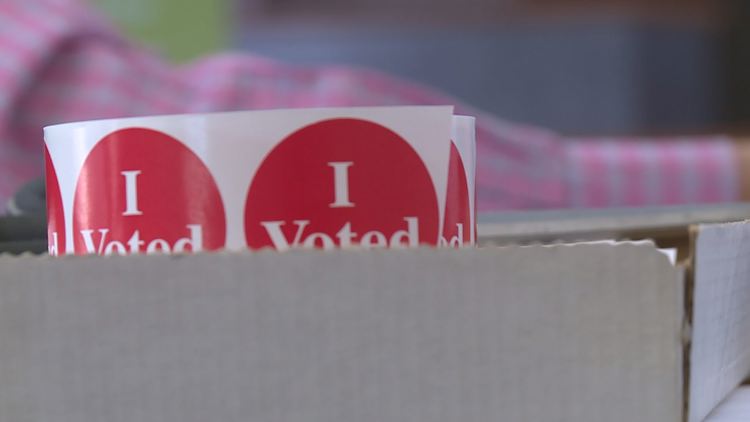
As the sun dipped below the Minneapolis skyline on November 8, 2022, the city buzzed with the energy of a record midterm election turnout. Voters lined up outside polling places, eager to make their voices heard. The enthusiasm was palpable, with many residents expressing a renewed sense of civic duty and urgency. This year, Minnesota saw a significant increase in voter participation, with over 60% of eligible voters casting their ballots, a stark contrast to previous midterm elections.
The 2022 midterm elections in Minnesota marked a pivotal moment in the state's political landscape. According to exit polling, key issues such as rising costs of living, public safety, and healthcare dominated voter concerns. Many voters cited inflation as a primary motivator, with grocery prices and housing costs weighing heavily on their minds. Minnesota's Department of Employment and Economic Development reported a sharp increase in living expenses, prompting many to prioritize economic stability in their voting decisions.
In the Twin Cities, the blue wave was evident as Democrats maintained control of both the state legislature and the governor's office. Governor Tim Walz, who faced criticism over his handling of the pandemic and public safety issues, secured re-election with a comfortable margin. His campaign focused on addressing the cost of living, which resonated with voters across demographics.
Statewide, the Democratic-Farmer-Labor (DFL) Party capitalized on the surge in voter turnout, especially among younger voters and communities of color. Exit polls indicated that 72% of voters aged 18-29 participated, a significant increase from previous elections. This demographic shift signals a changing political landscape in Minnesota.
The community's response to the election results was a mix of relief and anticipation. Many residents expressed satisfaction with the outcome, believing it would lead to more progressive policies addressing their concerns. Local activist Sarah Johnson, who campaigned for affordable housing initiatives, stated, "This election was about more than just candidates; it was about our future. We need leaders who prioritize our communities and tackle the issues that matter most to us."
On the other hand, some voters voiced concerns about the implications of a Democratic-controlled legislature. Longtime Minneapolis resident Mark Thompson remarked, "I hope they remember the middle class. We need solutions, not just promises." His sentiments reflect a broader unease among some voters who worry about economic policies that may not benefit all income levels.
In the midst of political discussions, many community members emphasized the importance of strong families and stable households. Faith-based organizations, such as Minnesota Churches United, rallied to support candidates who align with their values, advocating for policies that strengthen family units. Pastor David Lee stated, "Our families are the backbone of our communities. We need leaders who uphold our values and promote the American dream of stable, loving households."
Looking ahead, the newly elected officials face pressing challenges. Addressing the cost of living will require collaboration between state lawmakers and local governments. Governor Walz has already announced plans to convene a special session to discuss immediate economic relief measures, including tax rebates and support for low-income families.
Moreover, public safety remains a top priority. Minneapolis has seen rising crime rates, and community leaders are calling for comprehensive strategies that involve law enforcement and community engagement. The City of Minneapolis has initiated programs aimed at improving neighborhood safety, but many residents believe more needs to be done.
To ensure that the voices of all residents are heard, local leaders are planning town hall meetings to discuss the priorities of the new legislative session. These forums will provide an opportunity for constituents to share their concerns and suggestions directly with their elected representatives. Community organizer Maria Gonzalez emphasized, "We must keep the momentum going. Engaging with our leaders is crucial to holding them accountable and ensuring they deliver on their promises."
The midterm elections have not only reshaped the political landscape but have also brought to light the diverse voices within the Minneapolis community. Residents from various backgrounds have shared their stories, highlighting the unique challenges they face. For instance, immigrant families have expressed their hopes for policies that support integration and access to resources. A recent immigrant from Somalia, Amina Farah, shared her thoughts: "We need leaders who understand our struggles and will fight for our rights. We want to feel safe and have opportunities just like everyone else."
Additionally, educators have voiced their concerns regarding funding for public schools. With the rising cost of living, many teachers feel the pressure of inadequate salaries and resources. Local teacher and union representative James Carter stated, "Investing in education is investing in our future. We need to ensure our schools are well-funded so that every child has the chance to succeed." This sentiment resonates with many parents who are increasingly concerned about the quality of education their children receive.
The blue wave in Minnesota is not just significant for the state but also reflects broader national trends. As cities across the United States grapple with similar issues—rising costs of living, healthcare access, and public safety—the outcomes of these elections could influence policy discussions at the federal level. Political analysts suggest that Minnesota's results may serve as a bellwether for other states facing similar challenges. This could lead to increased collaboration among states to address common issues and share effective solutions.
Moreover, the surge in young voter turnout signals a shift in the political landscape that could have lasting implications. Many young voters are prioritizing climate action, social justice, and economic equity, and their increased participation may push elected officials to adopt more progressive platforms. Activist and college student Jenna Lee remarked, "We are the future, and we need to ensure our voices are heard. This election shows that we can make a difference when we come together."
The 2022 midterm elections in Minnesota have set the stage for a transformative period in the state's governance. With record turnout and a clear mandate from voters, the new leadership has an opportunity to address the pressing issues that impact daily life. As residents look forward to the future, the hope is that elected officials will prioritize family values, economic stability, and community safety. The eyes of Minneapolis are on their leaders to deliver results that reflect the will of the people.
By Marcus Chen

By Katherine Langford

By Katherine Langford

By Marcus Chen