Community
Could Minnesota rain swing the vote? Here's what the research says
By Katherine Langford
Advertisement · Why this ad?
Katherine oversees editorial operations across all six brands. Before joining The Meridan Group, she spent 14 years at the Minneapolis Star Tribune, where she led the metro desk through its digital transformation. She holds a Master's in Journalism from Northwestern's Medill School.
More from Katherine →
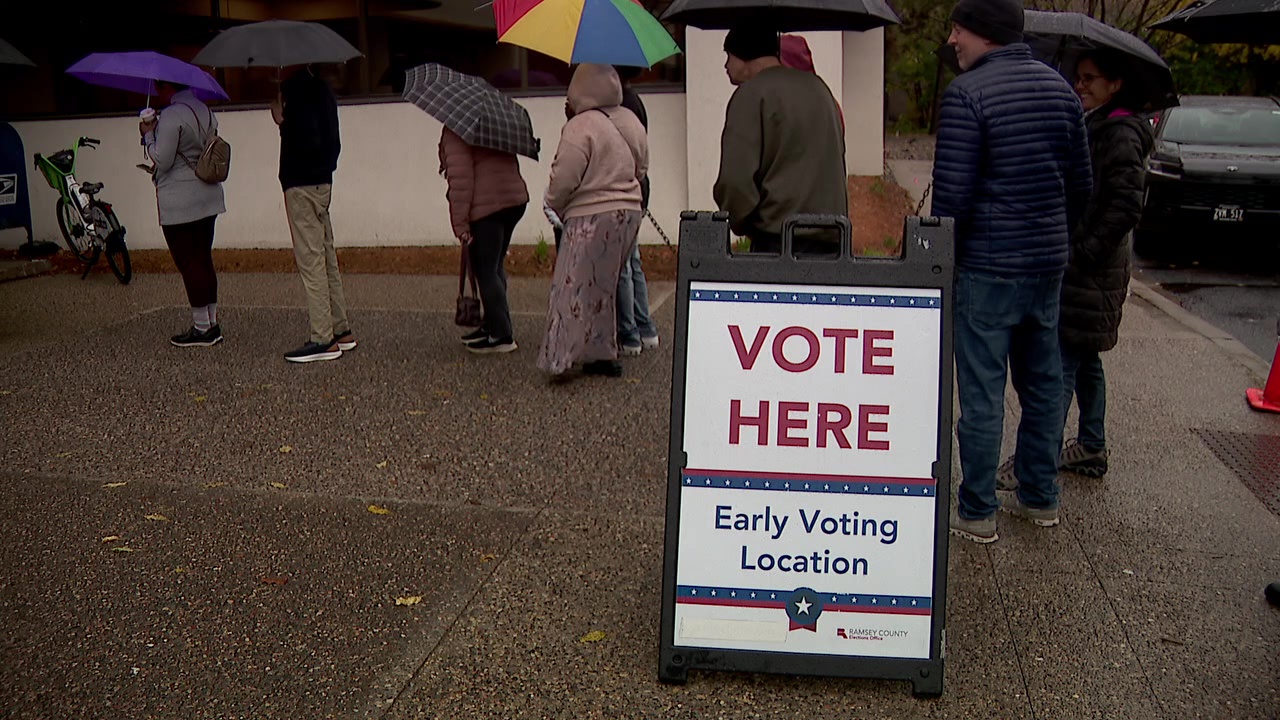
On a crisp autumn afternoon in Minneapolis, the scent of fallen leaves mingles with the anticipation of an election season that promises to be as contentious as it is consequential. In the heart of the city, conversations buzz about the upcoming midterms, and amidst this civic engagement lies a growing trend: prediction markets. These platforms, which allow individuals to wager on the outcomes of elections, have gained significant traction, even as Minnesota remains the first state to outlaw such activities.
In 2006, Minnesota enacted a law that prohibited prediction markets, aiming to curb gambling activities that could influence election outcomes. Yet, despite this legal framework, the allure of betting on political races has not diminished. In fact, as the midterm elections approach, the volume of money flowing into these markets has surged. This phenomenon raises questions about the effectiveness of state regulations in the face of evolving technologies and consumer interests.
Prediction markets operate on the principle of collective intelligence, where participants buy and sell shares based on their predictions of future events. The more confident a participant is in a particular outcome, the more they are willing to wager. As a result, these markets can provide insights into public sentiment and the potential direction of electoral races.
While Minnesota's law remains in effect, many residents are turning to online platforms that operate outside state jurisdiction. These platforms, often based in other states or countries, offer a legal loophole for Minnesotans eager to engage in this form of speculative betting. As the stakes rise, so do concerns about the implications for electoral integrity and the potential for manipulation.
The reaction to prediction markets in Minnesota is mixed. Some residents view them as a harmless way to engage with the political process, while others express concern about the ethical implications of wagering on elections. Many community leaders emphasize the importance of maintaining the integrity of the electoral process, warning that prediction markets could undermine public trust.
“While I understand the appeal of prediction markets, I worry about what it means for our democracy,” said Sarah Johnson, a local political activist. “Elections should be about more than just money; they should reflect the will of the people.”
Others share similar sentiments, highlighting the potential risks associated with allowing speculation on electoral outcomes. “We need to protect our democratic institutions,” remarked Tom Reynolds, a longtime resident and member of the Minneapolis City Council. “Encouraging betting on elections could lead to a culture where outcomes are influenced by money rather than the voices of voters.”
Despite these concerns, proponents of prediction markets argue that they can serve as a barometer for public opinion, providing valuable insights into voter sentiment leading up to the elections. This perspective suggests that, rather than undermining democracy, prediction markets could enhance it by fostering greater engagement and discussion around political issues.
Many residents are finding innovative ways to engage in political discourse, using prediction markets as a springboard for deeper conversations. Local coffee shops and community centers have become venues for discussions about the implications of these markets. “We’re seeing a lot of young people getting involved in politics through these platforms,” said Maria Lopez, a college student who frequently attends community forums. “It’s a different way to engage, but it gets people talking about what really matters.”
Moreover, organizations such as the Minnesota Civic Engagement Coalition are working to ensure that these discussions remain constructive. They host workshops that not only educate participants about prediction markets but also emphasize the importance of informed voting. “We want to make sure that while people are having fun with prediction markets, they are also grounded in the facts about candidates and issues,” said coalition director James Carter.
As the midterms draw nearer, the future of prediction markets in Minnesota remains uncertain. With state lawmakers closely monitoring the situation, there may be calls for reevaluation of existing laws. Advocates for prediction markets argue that regulatory frameworks need to adapt to the changing landscape of political engagement and technology.
In the coming months, it will be crucial for lawmakers to balance the desire for innovation with the need to protect the integrity of the electoral process. This may involve exploring new regulatory approaches that allow for prediction markets to operate within a framework that safeguards against potential abuses.
For now, Minnesotans interested in participating in prediction markets will continue to seek out platforms that operate outside state regulations. As they place their bets on the outcomes of the midterm elections, the implications for the state's political landscape—and for the broader American democratic process—remain to be seen.
In light of the increasing popularity of prediction markets, state legislators are beginning to engage in discussions about potential reforms. Some lawmakers are advocating for a more nuanced approach that could allow for regulated prediction markets, similar to how other states handle online gambling. “We need to be proactive rather than reactive,” said Representative Emily Tran, who has expressed interest in drafting new legislation. “If we can regulate these markets properly, we can harness their potential while protecting our electoral integrity.”
For those looking to engage with the electoral process in a more traditional sense, there are numerous resources available to help voters navigate the upcoming midterms. The Minnesota Secretary of State's website offers comprehensive information on voter registration, polling locations, and election day procedures. Residents can visit Minnesota Secretary of State for more details.
Additionally, organizations such as the League of Women Voters provide nonpartisan information about candidates and issues on the ballot. Engaging with these resources can empower residents to make informed decisions in the upcoming elections.
Moreover, local community centers and libraries often host informational sessions and forums where residents can learn more about the electoral process and discuss the implications of prediction markets within their communities. Participating in these events can foster a deeper understanding of the electoral landscape and the factors influencing it.
As the political climate evolves, so too will the conversation surrounding prediction markets. The intersection of technology, finance, and politics presents a unique challenge for regulators and voters alike. Ultimately, the choices made in the coming months will shape not only the midterm elections but also the future of civic engagement in Minnesota.
In a nation founded on the principles of democracy and participation, it is essential that all voices are heard and valued. Whether through traditional voting methods or emerging platforms like prediction markets, the engagement of citizens remains a cornerstone of the American democratic experience. As Minnesotans navigate this complex landscape, the importance of informed and ethical participation cannot be overstated.
By Katherine Langford
By Katherine Langford

By Katherine Langford

By Katherine Langford